
Affrontements à سلێمانی Sulaimanyiah : 10 morts – 23 avril 2011
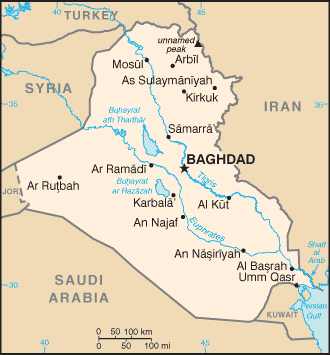
Iraqi Kurd demo fatalities rise to 10
AFP
SULAIMANIYAH, Iraq — A 28-year-old Kurdish protester died of gunshot wounds on Saturday, becoming the tenth person killed in more than two months of rallies in Iraq’s northern autonomous region, a doctor said.
« Hardi Farukh, who was wounded by a bullet to the head during demonstrations on April 18 in Sulaimaniyah, died this morning, » said Hawar Naqshabandi, the director of the emergency hospital in Iraqi Kurdistan’s second-biggest city of Sulaimaniyah.
Farukh, who was engaged to be married and worked in a publishing house, was the tenth person to die in protests that have raged in the region since mid-February, Naqshabandi added.
The oldest fatality in clashes with security forces was 60-year-old Mohammed Rasheed, who suffered bullet wounds to the chest on February 25 in the town of Qalar in Sulaimaniyah province, while the youngest was 12-year-old Garmeyan Ahmed, shot in the head on the same day in the province’s town of Chamchamal.
The demonstrations in Sulaimaniyah were initially against graft, nepotism and a two-party stranglehold over Kurdish politics, and came soon after uprisings in Tunisia and Egypt deposed rulers there. Read more…
Sulaymanieh unrest claims 10th victim
presstv.ir
Sun Apr 24, 2011
Another Kurdish protester has died of his fatal gunshot wounds, marking the 10th victim of the two-month unrest in Iraq’s northern autonomous Kurdistan region.
Hardi Farukh, 28, surrendered on Saturday to a head injury he sustained earlier in the month, said the director of the emergency hospital in Sulaymanieh, AFP reported.
« Hardi Farukh, who was wounded by a bullet to the head during demonstrations on April 18 in Sulaymanieh, died this morning, » Hawar Naqshabandi said.
Farukh, who worked in a publishing house, was the 10th person to die in the crackdown of anti-regime protests that has been raging in the northern Iraqi region since mid-February, he added.
The demonstrations in Sulaymanieh, inspired by the revolutions in Tunisia and Egypt, were initially demanding an end to graft, nepotism, and the monopoly of Kurdistan Democratic Party and Patriotic Union of Kurdistan on the region’s politics.
The target of the uprisings has, however, shifted in recent weeks to demand the dissolution of the Kurdish regional government. Read more…





 anthropologie du présent